Health 4 Life

Understanding Creatine: Benefits, Usage, and Popularity
Creatine is one of the most researched and effective supplements for improving strength, power, and muscle growth. This article breaks down what creatine is, how it works, its benefits, safety, and how to use it effectively to support performance and overall health.
Colin Macdonald
12/17/2025
What is Creatine?
Creatine is a naturally occurring compound found predominantly in muscle cells, where it plays a crucial role in energy metabolism. Biochemically, creatine is composed of three amino acids: arginine, glycine, and methionine. The body synthesizes creatine, primarily in the liver, kidneys, and pancreas. In addition to endogenous production, creatine can be obtained through dietary sources, particularly from animal products such as red meat and fish. These foods contain creatine in varying concentrations, contributing to overall creatine levels in the body.
When it comes to energy production, creatine serves as a key player in the replenishment of adenosine triphosphate (ATP), the primary energy currency of the cell. During high-intensity, short-duration exercises—such as sprinting or weight lifting—ATP is rapidly utilized, leading to a temporary depletion. Creatine phosphate, a stored form of creatine in muscles, donates a phosphate group to adenosine diphosphate (ADP), thus regenerating ATP and allowing for sustained energy output during demanding physical activities. This makes creatine especially beneficial for athletes and individuals engaged in resistance training.
Various forms of creatine supplements are available in the market, with creatine monohydrate being the most extensively researched and widely used. Creatine monohydrate is favored for its effectiveness and affordability compared to other variations, such as creatine ethyl ester and buffered creatine. While these alternatives claim enhanced absorption or reduced side effects, studies have consistently shown that creatine monohydrate effectively increases muscle creatine stores and supports improved performance in high-intensity tasks. Thus, understanding the foundational aspects of creatine, including its source, function, and different forms, provides a comprehensive frame of reference for its benefits and applications in sports nutrition and exercise science.
Why Do So Many People Take Creatine?
The utilization of creatine as a dietary supplement has gained considerable traction among athletes, bodybuilders, and fitness enthusiasts. One of the primary reasons for its increasing popularity is the association of creatine supplementation with enhanced athletic performance. Numerous studies have reported that creatine can improve strength, power, and overall exercise performance, particularly in high-intensity activities and sports that require short bursts of energy, such as sprinting or weightlifting. This enhancement in physical capabilities makes it an appealing option for those looking to push their limits and achieve their fitness goals.
Furthermore, creatine has been linked to the increase of muscle mass. When combined with resistance training, creatine supplementation can encourage an uptick in lean muscle tissue. This is primarily due to its role in promoting water retention in the muscle cells, which, in turn, stimulates muscle growth and the overall appearance of enhanced muscle definition. As physical appearance often holds significant importance in fitness culture, the impact of creatine on muscle mass contributes to its widespread adoption among individuals striving for an aesthetically pleasing physique.
Societal trends and the influence of the fitness community also play a crucial role in creatine's popularity. With the rise of fitness influencers and the proliferation of online platforms showcasing workout routines, many people can witness the benefits of creatine supplementation firsthand. Moreover, endorsements from reputable athletes and trainers lend credibility to its use, encouraging others to incorporate creatine into their regimens. Additionally, addressing misconceptions surrounding creatine—such as the idea that it is harmful or mainly used by professional athletes—has helped demystify the supplement, making it more accessible and appealing to the average individual seeking fitness improvements.
Benefits of Creatine Supplementation
Creatine supplementation has garnered attention for its broad spectrum of benefits, particularly in the domains of physical performance and cognitive enhancement. Scientific studies consistently demonstrate that creatine enhances strength and power output during high-intensity exercise, making it a favored supplement among athletes and fitness enthusiasts. Users often report notable improvements in workout performance, enabling them to lift heavier weights and complete more repetitions, leading to increased muscle mass over time.
Beyond its physical capabilities, creatine may also provide cognitive benefits. Research suggests that creatine supplementation can improve mental focus and resilience against fatigue, which is particularly beneficial during high-stakes or mentally taxing situations. For instance, individuals engaged in intellectually demanding tasks may find creatine boosts their cognitive performance, potentially aiding memory and processing speed.
Certain populations stand to gain significantly from creatine supplementation. Older adults can experience improvements in muscle strength, function, and overall health, assisting in the mitigation of age-related muscle decline, known as sarcopenia. Additionally, vegetarians and vegans might benefit due to their typical lower levels of creatine-rich foods, such as meat and fish, thus enhancing their muscle performance and recovery when supplementing with creatine.
Emerging research indicates that the benefits of creatine may extend beyond sports performance, delving into areas such as neurological health and metabolic function. Preliminary studies point toward the potential of creatine in the management of neurodegenerative diseases and conditions associated with metabolic disturbances. While further investigations are necessary to validate these claims fully, the therapeutic potential of creatine supplementation presents an exciting avenue for future research.
Safe Usage and Recommendations
Creatine supplementation is widely recognized for its potential benefits in enhancing physical performance and supporting muscle growth. However, it is essential for individuals to understand safe and effective usage guidelines to maximize the advantages while minimizing adverse effects. The recommended daily dosage for creatine is typically about 3 to 5 grams, and this dosage can vary depending on body weight and specific fitness goals. Some users opt for a loading phase, which consists of taking higher doses, around 20 grams per day, for the first 5 to 7 days. This is followed by a maintenance phase of 3 to 5 grams per day. It is crucial to note that the loading phase is not necessary for everyone, as many individuals may achieve desired results with consistent daily maintenance doses alone.
The timing of creatine intake is another aspect that can influence its effectiveness. Research suggests that taking creatine post-workout may yield better results in terms of muscle recovery and growth, although pre-workout usage also has its proponents. Regardless of the timing, it is essential to stay hydrated, as creatine can draw water into the muscles, increasing the need for fluid intake. Individuals should be aware of common side effects, which can include gastrointestinal discomfort, muscle cramping, or dehydration. To mitigate these risks, it is advisable to start with lower dosages and gradually increase them while monitoring how the body responds.
Importantly, consulting with a healthcare professional before embarking on a creatine supplementation regimen is critical, especially for those with pre-existing health conditions or concerns. Supervision from a qualified practitioner ensures that creatine use is appropriate, safe, and tailored to personal health and fitness goals. By adhering to these guidelines, individuals can optimize the benefits of creatine while safeguarding their health.


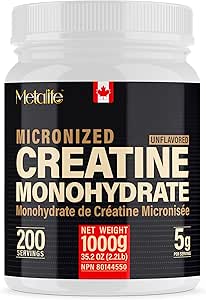
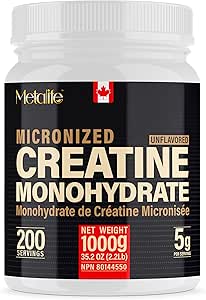
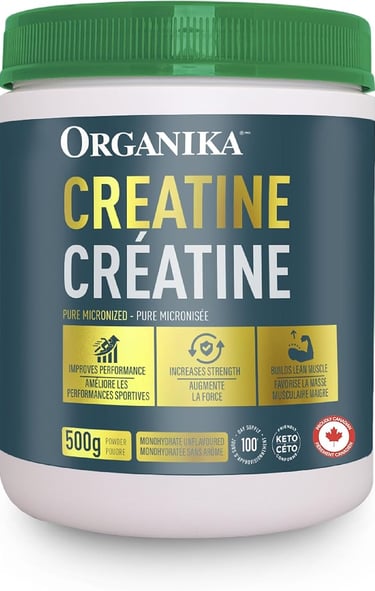
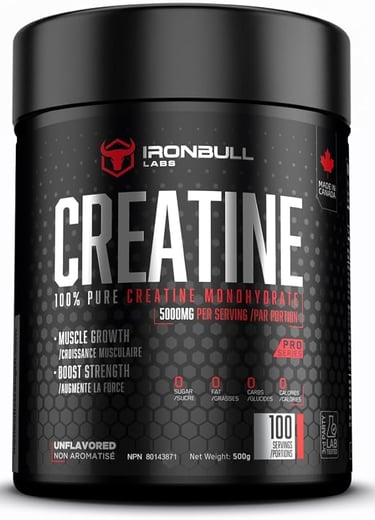
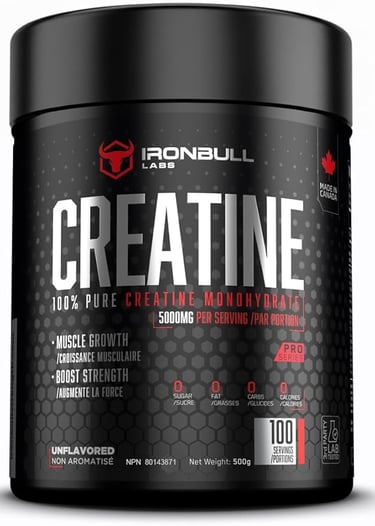
Purchase options are the at the bottom of the article
$39.89
$29.97
$27.97